OFFICIAL CONDITIONS— LOADING SOURCE ROUTES
Preparing the current source view. You can still open the official services directly if this page cannot update.
Know what's happening. Know what to do. Start with My Area for local official routes, then use GPN guides and tools for the next practical step.
Use one postcode check to bring together supported local warning data, council and resilience routes, neighbourhood policing, Neighbourhood Watch and an offline area brief.
OPEN MY AREA →Privacy-light by design: no continuous location tracking, no account and no saved full postcode.
Each card separates source availability from hazard status and shows the maintained official route. A failed check is an unknown state, never an all-clear.
Preparing the current source view. You can still open the official services directly if this page cannot update.
Search by what is happening — not by the website's internal categories. Results prioritise immediate action, official routes, practical guides and tools.
Headlines and system-wide signals can add context, but they are not the authority for a life-safety decision. Use the official-condition cards and original public services above for action.
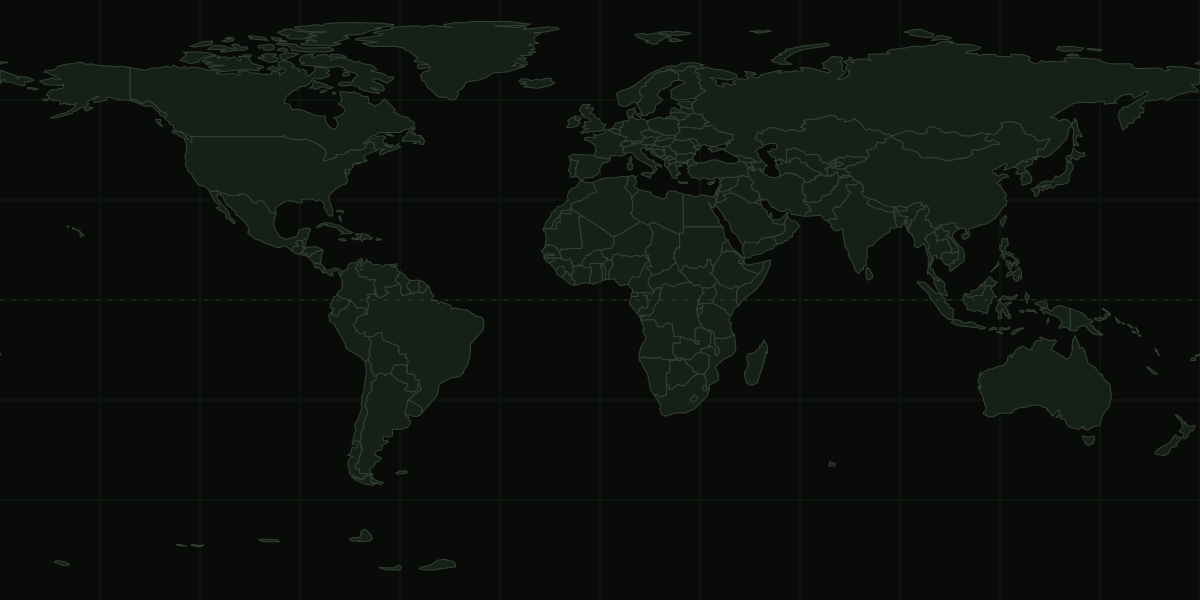
Recent M2.5+ earthquakes and reported volcanic activity from official scientific feeds. The full interface separates wider hazards and higher-precision UCDP Candidate event records into dedicated views.
The home layer stays intentionally restrained. Open the full map for GDACS hazards, higher-precision UCDP Candidate event records and NOAA space-weather status without crowding this overview.
Preparedness is a stack, not a shopping spree. Start with storage, low-energy communication, light and warmth; add generation and redundancy after the basics are covered.
Store drinking water first; filtration and treatment are backup layers.
↗Protect small, high-value loads before trying to power appliances.
↗Generation only helps when panel voltage, connectors and storage match.
↗Hands-free, low-output lighting gives more useful runtime than maximum lumens.
↗Keep a receive path, local voice option and paper contacts.
↗Own basic supplies, know where they are, and learn first aid.
↗Insulate people and one occupied room before chasing powered heat.
↗Keep food that works cold; any combustion cooking stays outdoors.
↗Simple tools, tape, fasteners and dry storage solve many small failures.
↗Plan for water-off sanitation as well as surface and hand cleaning.
Practical UK guides written from public, verifiable sources, now including a concise Fieldcraft Essentials series for priorities, shelter, navigation, rescue and sanitation.
A practical home kit for the first few days of a power cut, water outage or severe-weather disruption. Built from UK Government preparedness guidance rather than a product checklist.
WATER // STORAGE FIRST↗Work out a realistic household water reserve, understand what stored water is for, and know where filtration fits without treating it as a substitute for storage.
POWER CUT // FIRST ACTIONS↗The useful first actions, the numbers worth writing down, what can stop working with the electricity, and how to prepare before the lights go out.
WINTER // PASSIVE WARMTH↗A low-tech plan for keeping people warm when the heating stops. The emphasis is layers, one occupied room, draught reduction and safe heating practice.
FOOD // COLD CHAIN↗How long a fridge or freezer may stay cold, what to eat first, and why keeping the doors shut is the most useful first step.
CO SAFETY // OUTDOORS MEANS OUTDOORS↗A clear rule for outage cooking: no-cook food first, outdoor combustion second. Understand why camping stoves, barbecues and generators do not belong indoors.
Keep the core emergency cache compact, then deliberately add power, local-network, first-aid/water or recovery reference packs.
Calculate household needs, keep an offline plan, and find practical local support when money, food or housing is under pressure.
Tick off core preparations. Progress is saved locally in your browser and can be printed or copied.
H2O / CALCULATOREstimate minimum drinking-water and more comfortable household volumes by people and days.
DC / CALCULATOREstimate runtime from watt-hours and approximate solar energy harvest without product marketing maths.
HELP / LOCALFind trusted routes to food banks, free meals, affordable food, warm spaces, homelessness help and crisis support.
Run a ten-minute resilience check, define your minimum viable operation and build a local one-page continuity plan for power, communications, cyber or premises disruption.
Home, Guides and Systems stay focused on information and action. When you actually need equipment, the KIT page contains the 60-item catalogue, readiness tiers, saved loadout and clearly marked Amazon UK affiliate links.
The system pages turn official guidance into practical sequences: what to do first, what matters next, and what not to do when infrastructure is down.
Gas, wind, imports, generation and grid margin. What matters, what does not, and what a household can do.
↗PLAYBOOK 01Storage, drinking-water priorities, filtration limits and a household redundancy plan.
↗PLAYBOOK 02From phone bank to LiFePO4 station to solar, with load-first buying logic.
↗PLAYBOOK 03Light, information, passive warmth, food and carbon-monoxide safety.
↗PLAYBOOK 04DAB/FM, paper contacts, PMR446 and a household check-in protocol.
↗PLAYBOOK 05Organise supplies, skills and personal medical information without pretending a kit replaces care.
↗PLAYBOOK 06No-cook first; outdoor combustion second. Heat retention stretches every boil.
A useful preparedness site should tell people what not to do as clearly as what to buy.
The NHS warns that using camping stoves or barbecues indoors or in tents can cause carbon-monoxide build-up.
UK preparedness guidance recommends keeping bottled water and notes that collected rainwater should not be assumed safe to drink.
Keep medication information and device instructions on paper; get professional advice for medical dependencies and urgent symptoms.